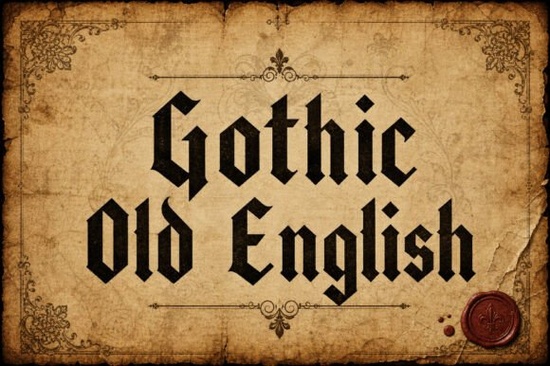
If you need a typeface that commands attention, few styles work better than traditional blackletter. The Gothic Old English Font brings that classic medieval energy to modern projects. It is built with sharp edges and a solid structure that feels authoritative. Whether you are making a logo or printing a poster, this style adds weight to your words. Designers often look for this specific aesthetic when they want to convey history, strength, or a bit of mystery.
This typeface is not just about looking old; it is about making a statement. The bold strokes and distinctive character shapes ensure that your message stands out against simpler backgrounds. It works well for headlines where you need immediate impact. Because it carries such a strong visual identity, you do not need to use it at massive sizes to be noticed. Even at moderate scales, the intricate details catch the eye.
What makes this blackletter style stand out?
The core appeal lies in its authentic calligraphy roots. Unlike modern sans-serif fonts that prioritize neutrality, this style embraces ornamentation. The sharp edges and dense lines create a texture that feels almost engraved. This makes it perfect for projects that require a sense of permanence or tradition. When you use it, you are tapping into a visual language that people associate with heritage and authority.
Many designers compare this style to other heavy display options. If you enjoy this aesthetic, you might also explore the Kingsbridge collection for varied weights and similar vibes. Having options allows you to match the font to the specific mood of your project. Some projects need a softer touch, while others require the full force of a traditional blackletter design. Understanding the nuance between these families helps you choose the right tool for the job.
Authenticity is key here. The design avoids looking like a cheap imitation of medieval text. Instead, it manifests the essence of genuine Old English calligraphy. This attention to detail matters when your audience knows typography. A well-made blackletter font respects the historical forms while ensuring it works on digital screens and modern print materials.
Where should you use this typeface?
Choosing the right context is crucial for blackletter fonts. They are not suitable for long paragraphs of body text because the dense shapes can be hard to read in small sizes. However, for display purposes, they are incredibly versatile. Here are some common uses where this font shines:
- Logos: Ideal for bands, breweries, or streetwear brands wanting a bold identity.
- Tattoo Art: The clear lines translate well to skin and permanent ink.
- Posters: Great for event announcements that need to grab attention from a distance.
- Certificates: Adds a formal, ceremonious feel to awards and diplomas.
- Album Covers: Fits perfectly with genres like metal, hip-hop, or classic rock.
If you are selling print-on-demand products, this typeface can help your designs stand out in a crowded marketplace. T-shirts and hoodies with strong typographic statements often sell well. You can pair the text with simple graphics to let the letters do the heavy lifting. For those looking to download the asset directly, you can find the Gothic Old English Font on the official marketplace.
How do you pair it with other fonts?
Because this font is so distinctive, it needs a partner that stays out of the way. When you use it for a headline, choose a simple sans-serif or a clean serif for the body text. The goal is contrast. If you pair two decorative fonts together, the design will look cluttered and confusing. Let the blackletter be the star of the show.
Spacing is another critical factor. Blackletter fonts often require careful kerning to ensure the characters do not collide. The sharp edges can sometimes overlap if placed too close together. Take your time to adjust the tracking between letters. This small step makes a huge difference in professionalism. It ensures the text looks intentional rather than cramped.
For more inspiration on how to mix styles, you can browse the related display typefaces category. Seeing how other designers categorize and use similar fonts can spark new ideas. It helps you understand where this specific font fits within the broader landscape of design assets. You might discover new combinations you hadn't considered before.
Quick Tips for Best Results
To get the most out of this typeface, keep these practical points in mind during your design process. They will help you avoid common pitfalls associated with heavy display fonts.
- Check legibility: Always view your design at 100% size to ensure the details are clear.
- Limit word count: Use this font for short phrases or single words rather than sentences.
- Contrast colors: Dark font on a light background usually works best for readability.
- Test on mockups: See how the font looks on a t-shirt or poster before finalizing the file.
- Keep it simple: Avoid adding too many effects like drop shadows that might muddy the sharp edges.
Using a strong typographic tool like this requires balance. When you respect the history and structure of the font, it rewards you with a design that feels timeless. Whether you are building a brand or creating art, let the character of the letters guide your layout. Start with a simple sketch, apply the font, and adjust until the weight feels right.
Learn More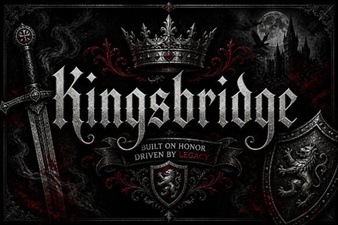 Kingsbridge Font: Design Inspiration & Application Tips
 Creative Summer Marker Font Projects
 Creative Uses for Distressed Fonts in Design
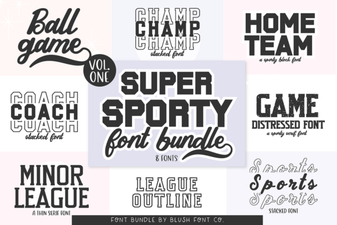 Elevate Your Design with the Super Sport Bundle Font
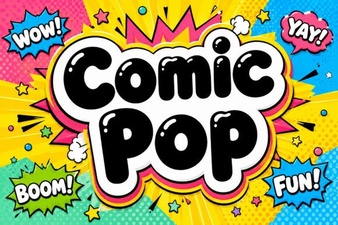 Playful Designs with Comic Pop Font Styles
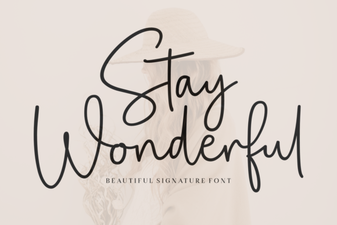 Stay Wonderful Font: Free Download & Design Inspiration