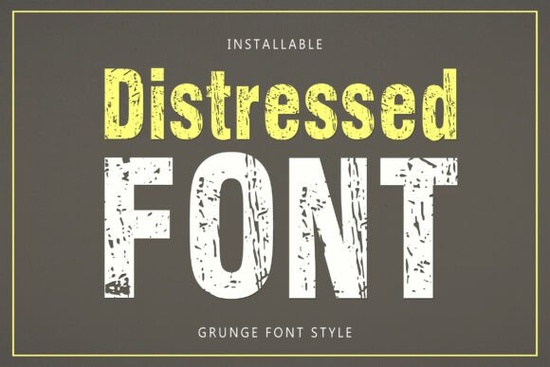
Designers often struggle to find typefaces that feel authentic without looking messy. You want something with history baked into the letters, something that tells a story before the viewer even reads the words. That is exactly what the Distressed Font offers. It brings a worn, textured look that adds instant character to your designs. Each letter features unique rough edges and subtle imperfections, making it perfect for retro branding, grunge aesthetics, posters, apparel, and army-style projects. This font brings an authentic, aged feel while staying highly readable and versatile.
When you are working on a project that needs to feel established or rugged, clean sans-serif letters often feel too sterile. A textured typeface bridges that gap. It suggests durability and history. This is particularly useful for small businesses trying to establish a brand identity that feels grounded rather than corporate. Whether you are designing a logo for a coffee shop or a graphic for a t-shirt, the visual weight of these letters commands attention without shouting.
Where does this typeface work best?
The versatility of this style means it fits into several niches effectively. Print-on-demand sellers will find this especially useful for apparel. T-shirts, hoodies, and tote bags benefit from designs that look like they have been worn before. The texture helps the ink feel part of the fabric rather than sitting on top of it. Beyond clothing, consider using this for packaging labels. Artisanal products like hot sauce, beard oil, or craft beer often rely on vintage aesthetics to communicate quality.
Posters and event flyers also gain energy from this look. If you are promoting a music event, a market sale, or a workshop, the rough edges create a sense of urgency and excitement. It works well for army-style projects too, where durability and function are key themes. The key is to ensure the background contrasts enough with the text. Since the letters have internal texture, placing them on a busy background might reduce legibility. Stick to solid colors or subtle gradients for the best results.
How do you pair this with other styles?
Typography rarely works in isolation. To create a balanced layout, you need to understand how this bold style interacts with other fonts. If you want to maintain the rugged vibe, you might explore browsing this collection of textured typefaces to find complementary weights. Sometimes, using two different distressed fonts can look too chaotic, so pair this bold display font with a clean sans-serif for body text.
Contrast is your friend. If you want to soften the overall look, consider mixing in some puffy text styles for secondary headlines. This creates a dynamic tension between hard and soft elements. For projects that need a bit more flash, such as event invitations or luxury streetwear, you might accent the grunge elements with crystal-inspired lettering. This combination of rough and refined can make a design feel high-end yet accessible.
For sports teams or collegiate merchandise, the rugged nature of this font pairs naturally with collegiate script styles. The combination evokes tradition and team spirit. On the other hand, if you are designing for a younger audience or a children's product, you might want to lighten the mood. Mixing the heavy texture with playful wiggly text can create a fun, energetic vibe that doesn't take itself too seriously.
Is it readable for small text?
While this typeface is highly readable for headlines and logos, caution is needed with smaller sizes. The imperfections that give the font its character can become visual noise when scaled down. Avoid using it for long paragraphs or fine print. Instead, reserve it for headings, logos, and short calls to action. If you must use it at smaller sizes, increase the letter spacing slightly. This gives the textured edges room to breathe and prevents the letters from blending together.
Always test your designs on different devices. What looks crisp on a desktop monitor might lose definition on a mobile screen. Export your work in high resolution, especially if you are sending files to a print shop. Vector formats are ideal because they allow the printer to scale the text without losing the quality of the distressed edges.
Quick Design Checklist
Before you finalize your project, run through these practical steps to ensure the best outcome:
- Check Contrast: Ensure the text stands out clearly against the background.
- Limit Usage: Use the font for headlines, not long body copy.
- Test Scale: View your design at 100% size to check legibility.
- Pair Wisely: Combine with a simple font for balance.
- Export Correctly: Save as PNG or SVG for crisp edges.
Taking time to refine these details will make your work look professional. The goal is to use the texture to enhance the message, not distract from it. With the right pairing and spacing, this typeface can become a staple in your creative toolkit.
Try It Free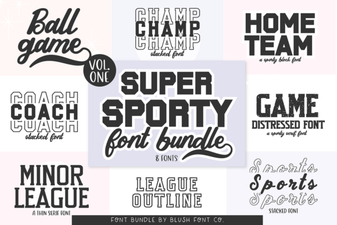 Elevate Your Design with the Super Sport Bundle Font
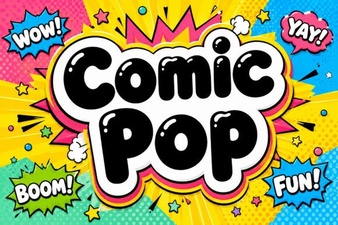 Playful Designs with Comic Pop Font Styles
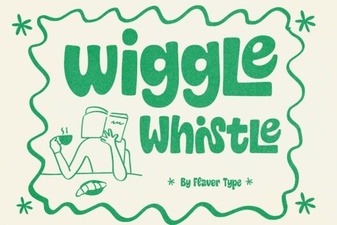 Download the Wiggle Whistle Font for Creative Designs
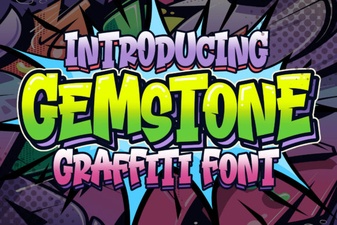 Gemstone Fonts: Inspiration for Creative Typography
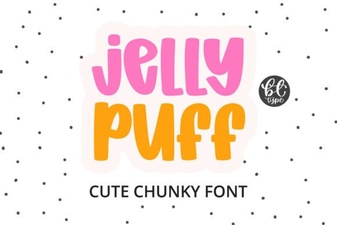 Jelly Puff Font: Playful Designs & Creative Projects
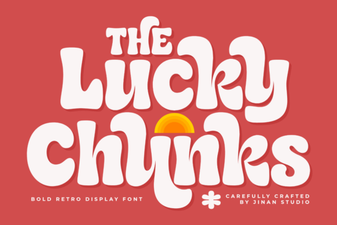 Lucky Chunks Font: Creative Typography Projects