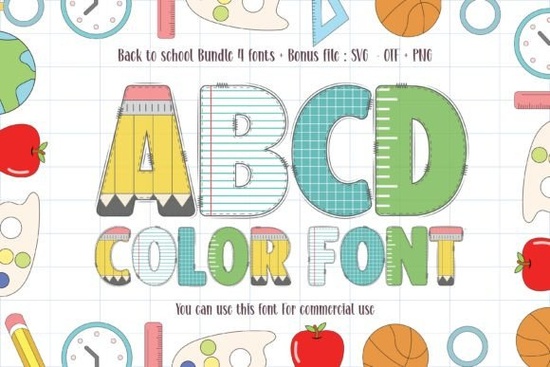
Creating designs for the new semester requires typography that feels fun yet readable. When you are working on projects for children, the text needs to be clear enough for young eyes to recognize while maintaining a playful vibe. This is where the Back to School Font becomes a useful tool for your toolkit. It features thick lettering and unique color properties that make it stand out without needing complex layering in your design software. Whether you are making classroom decorations or selling print-on-demand items, having a reliable typeface simplifies the workflow.
Many designers struggle to find fonts that balance personality with legibility. Standard scripts can be too hard to read for early learners, while basic sans-serifs often look too boring for festive school events. A thick, colorful style bridges this gap effectively. It grabs attention on a t-shirt or a worksheet immediately. The inherent color in the font means you spend less time selecting fill colors in your vector program, allowing you to focus on layout and composition instead.
Why does letter thickness matter for educational designs?
Readability is the primary concern when designing for kids. Thick strokes ensure that letters remain distinct even when viewed from a distance or printed on smaller items like stickers. If you are making name tags for a classroom, thin lines might get lost when cut out or laminated. Bold lettering holds its shape better during the production process.
Additionally, thick fonts are more forgiving when applying textures or effects. If you want to add a glitter overlay or a pattern fill, the larger surface area of each character gives you more room to work. This is particularly helpful for crafters using heat transfer vinyl. The weeding process becomes much easier because there are fewer tiny, fragile pieces to remove from the mat. You save time on production, which is crucial if you are fulfilling multiple orders for local parents or teachers.
What can you create with this style?
The versatility of this typeface allows it to fit into several niches within the creative market. Print-on-demand sellers often look for designs that resonate with specific seasons, and the start of the academic year is a major sales period. You can use this typography for greeting cards, mugs, and apparel targeted at students and parents. Teachers also need resources for bulletin boards and welcome signs. A font that looks hand-drawn or playful helps create a warm environment in the classroom.
Digital planners are another growing market where this style fits well. Cover pages for school organization binders benefit from strong, colorful headers. If you are looking for more inspiration on how to vary your typography choices, you can explore our gallery of vibrant semester typefaces to see what else matches this aesthetic. Diversifying your library ensures you have the right tool for every specific project requirement, whether it is for a serious syllabus or a fun party invitation.
How does this work with craft machines?
Compatibility with cutting machines like Cricut or Silhouette is a major factor for physical crafters. Since this font comes with thick lines, it is generally compatible with standard vinyl settings. You do not need to worry about intricate details tearing during the weeding process. When you download the Back to School Font, you typically receive standard file formats like OTF or TTF. These install directly onto your computer and become available in your design software immediately.
For those using layered SVGs, check if the color feature is built into the font file or if it requires separate layers. Some color fonts work natively in newer versions of design programs, while others might need you to ungroup elements to change individual letter colors. Always test a single letter first before committing to a full phrase. This prevents frustration if the software interprets the color data differently than expected. Proper testing ensures your final cut matches what you see on the screen.
What are the licensing basics?
Before using any asset for business purposes, you must understand the license terms. Most fonts on creative marketplaces allow for commercial use, but there are often limits on the number of end products or requirements for attribution. If you plan to sell items featuring this typography, read the specific license included with the download. Some licenses cover physical goods but restrict digital templates where the end customer can edit the text.
Keeping track of your licenses helps protect your small business from legal issues. Organize your download folder so you can find the license text file easily later. If you are unsure about a specific use case, such as using the font in a logo for a client, it is better to contact the creator or upgrade to an extended license. Clear understanding of these rules gives you peace of mind as you scale your creative operations.
Practical Checklist for Using School Typography
- Test Readability: Print a sample at the intended size to ensure kids can read it easily.
- Check Machine Settings: Run a small cut test with your vinyl or heat press before starting a full batch.
- Review License: Confirm commercial rights match your specific product type, whether physical or digital.
- Pair Wisely: Combine this bold font with a simpler sans-serif for body text to maintain balance.
- Save Files: Keep a backup of the original font files and license documentation in a dedicated folder.
Taking these steps ensures your projects look professional and function well in the real world. Good typography supports your message without distracting from it. By choosing tools that simplify your workflow, you can focus more on creativity and less on technical troubleshooting.
Explore Design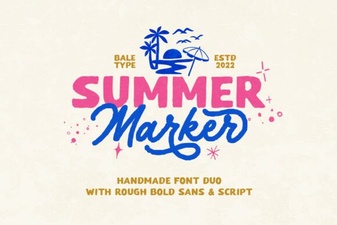 Creative Summer Marker Font Projects
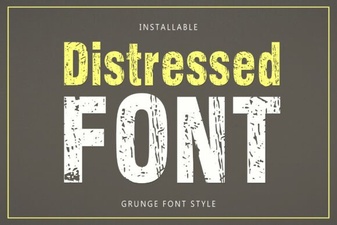 Creative Uses for Distressed Fonts in Design
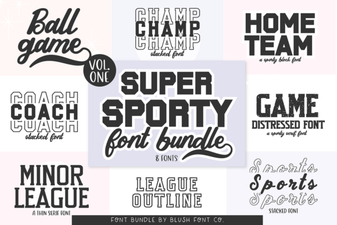 Elevate Your Design with the Super Sport Bundle Font
 Playful Designs with Comic Pop Font Styles
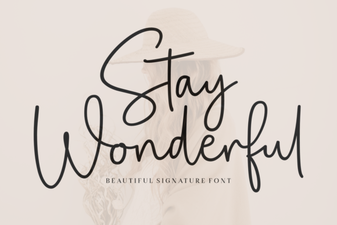 Stay Wonderful Font: Free Download & Design Inspiration
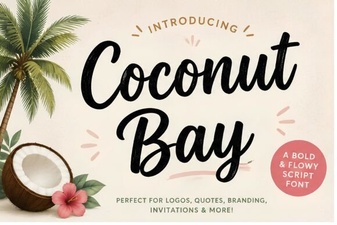 Download the Tropical Coconut Bay Font for Creative Projects