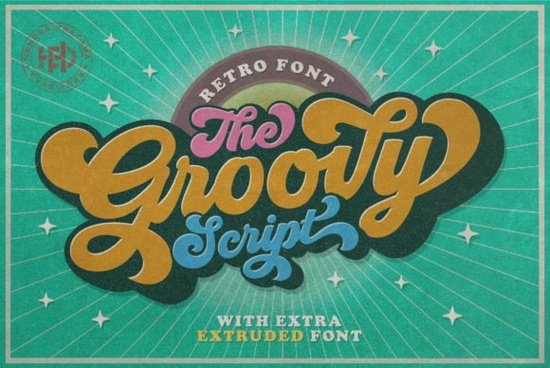
If you are looking for a typeface that captures the free spirit of the late 60s and 70s, the Groovy Font is a solid choice. It brings a nostalgic feel to projects that need a bit of funk without sacrificing readability. This script is inspired by iconic advertisements from that era, making it perfect for designers who want to evoke a sense of warmth and history in their work. Whether you are creating logos, apparel, or social media graphics, understanding how to use retro typography can make your designs stand out in a crowded market.
What makes this typeface fit retro projects?
The charm of this font lies in its curves and weight. Unlike modern minimalistic fonts, this style embraces the playful imperfections of hand-lettering from the past. The strokes vary in thickness, mimicking the flow of a brush pen used during the psychedelic era. When you apply this to a design, it instantly signals a vintage vibe. It works particularly well with color palettes featuring mustard yellow, burnt orange, and cream. These colors complement the letterforms and reinforce the nostalgic theme.
Designers often struggle to find a script that feels authentic rather than cliché. This typeface avoids looking too digital or sterile. It has a human touch that connects with viewers on an emotional level. If you are working on a brand that values heritage or comfort, this script helps communicate those values visually. It is not just about the shape of the letters; it is about the feeling they invoke.
What projects work best with this script?
Print-on-demand sellers will find this font especially useful for t-shirts and mugs. Quotes about peace, love, and nostalgia perform well in this style. For example, if you are designing inspirational apparel, you might consider pairing this with inspirational lettering styles to see how different scripts handle positive messaging. The key is to keep the text large enough so the details of the curves are visible.
Small businesses can also use this for packaging labels. Think of honey jars, coffee bags, or handmade soap wrappers. The retro aesthetic suggests artisanal quality. When customers see this type of typography, they often associate the product with care and tradition. Just ensure you have the proper license for commercial use before printing items for sale. Always check the specific terms provided with the font download.
How does it compare to other vintage typefaces?
Not all retro fonts are the same. Some lean towards a sports aesthetic, while others feel more romantic. If you need something that resembles vintage team logos, you might look at vintage sports typography. Those fonts often have sharper edges and a more structured feel. In contrast, this groovy script is more fluid and relaxed.
On the softer side, there are options that feel more rounded and bubbly. If your project requires a gentler touch, exploring softer rounded options might help you decide which direction to take. The choice depends on your audience. A bakery might prefer the softer look, while a record store might prefer the funkier vibe of the 70s style. Understanding these nuances helps you match the font to the brand identity.
Can you mix this with elegant handwriting fonts?
Pairing fonts is an art form. You generally want to create contrast without creating confusion. Since this script is bold and expressive, it pairs well with simple sans-serif fonts for body text. However, if you want to mix scripts, be careful. Combining two complex scripts can look messy. If you need something for a wedding invitation that feels more formal, you might compare it against elegant wedding scripts. The goal is to ensure one font takes the lead while the other supports it.
For digital designs, try using the groovy script for headlines only. Keep your informational text clean and easy to read. This hierarchy guides the viewer's eye through the design. It also ensures that accessibility is maintained, as overly decorative fonts can be hard to read in small sizes. Test your designs on different screens to ensure the text remains clear.
Where can you browse more similar styles?
If you enjoy this aesthetic, there are many other options available to explore. You can browse the full retro collection to find variations that might suit specific projects better. Sometimes a slight change in weight or slant makes all the difference. Having a library of compatible fonts allows you to maintain consistency across different marketing materials while keeping things fresh.
Remember that trends cycle back around. What is popular now might change, but vintage styles tend to have staying power. Investing in quality typography is investing in your brand's longevity. Keep your files organized and back them up. This ensures you can always access your assets when you need to update a design or launch a new product.
Quick Checklist for Using Retro Scripts
- Check Licensing: Verify if the license covers commercial use for physical goods.
- Test Readability: Ensure the text is legible at small sizes on mobile devices.
- Match Colors: Use era-appropriate color palettes like earth tones or pastels.
- Limit Usage: Use decorative scripts for headlines, not long paragraphs.
- Pair Carefully: Combine with simple sans-serifs to balance the design.
Start by downloading the font and installing it on your system. Open your design software and type out a few test phrases. Experiment with kerning and leading to see how the letters interact. Once you are comfortable with the spacing, apply it to your main project. Taking these small steps ensures your final output looks professional and polished.
Learn More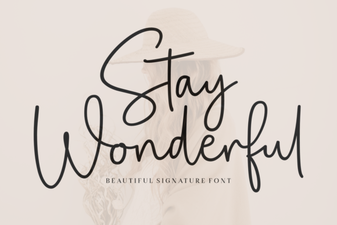 Stay Wonderful Font: Free Download & Design Inspiration
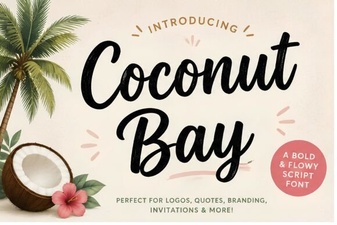 Download the Tropical Coconut Bay Font for Creative Projects
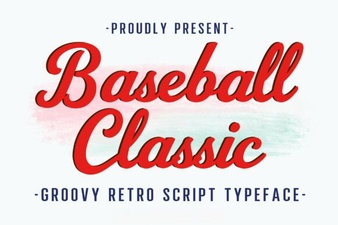 Crafting Timeless Baseball Designs with Classic Fonts
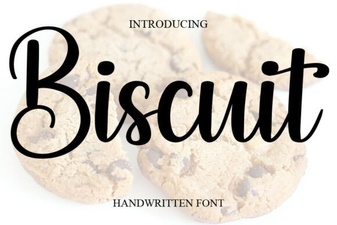 Unlock Design Creativity with the Biscuit Font
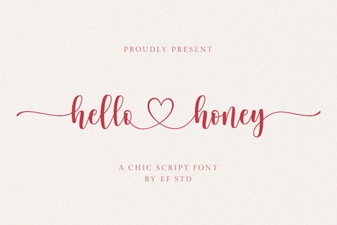 Hello Honey Font Design & Download Guide
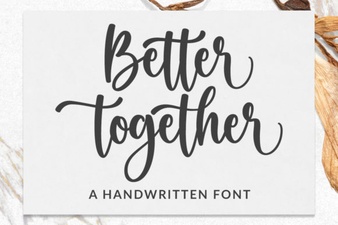 Better Together Font: Creative Uses & Download Guide